I was in the middle of a midnight snack attack when my fridge decided to go on a diet and left me with nothing but a bag of instant ramen, a head of cabbage, and a jar of soy sauce. The kitchen was a chaotic symphony of sizzling, chopping, and the occasional clink of a plastic spoon against the counter. My craving for something crunchy, savory, and instant became the catalyst for what I’m about to share. I dared myself to create a ramen noodle salad that would not only satisfy my hunger but also outshine every other ramen-based dish I’ve ever seen. The moment the noodles hit the boiling water, the kitchen filled with a comforting steam that smelled like a distant Asian street market. That aroma alone made me promise myself that this would be the best version of ramen salad I’d ever make at home.
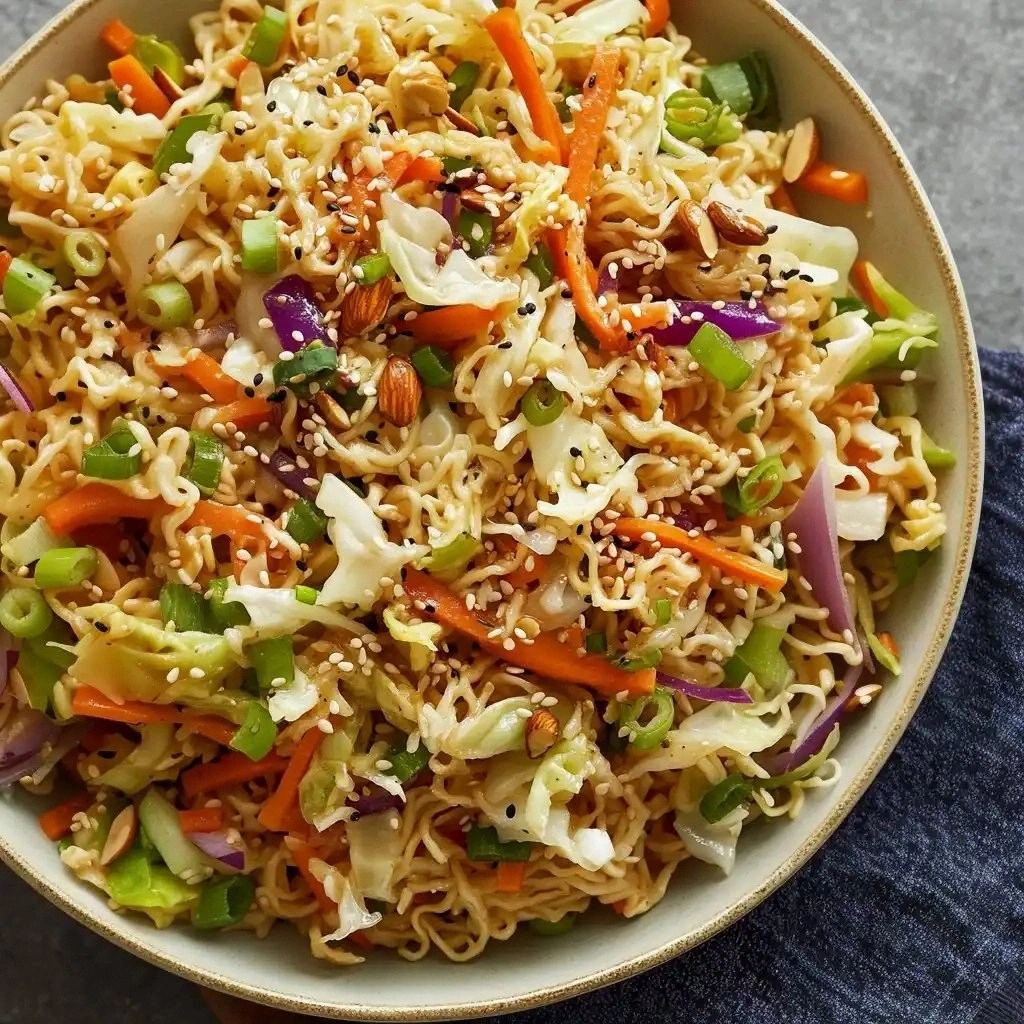
Picture yourself pulling this dish out of the pot, the whole kitchen smelling incredible, and the bowl gleaming with a glossy, tangy glaze that coats every strand like velvet. The crunch of fresh cabbage and carrots will pop in your mouth like a burst of confetti, while the sesame oil and soy sauce give a silky depth that lingers. I’ll be honest — I ate half the batch before anyone else got to try it. If you’ve ever struggled with ramen salads that taste bland or soggy, you’re not alone — and I’ve got the fix. Most recipes get this completely wrong, treating the noodles as a passive base, but here the noodles are the star that carries a medley of flavors. I dare you to taste this and not go back for seconds, because once you’re done, you’ll want to recreate it in every season.
What sets this version apart is the meticulous balance of textures, the precise timing of each ingredient, and the surprising use of toasted almonds to add a nutty crunch that elevates the dish from ordinary to unforgettable. I’ve spent hours tweaking the ratio of soy sauce to rice vinegar so that the tangy bite doesn’t overwhelm the subtle sweetness of sugar. The instant ramen is cooked to al dente, then chilled and tossed, preventing it from turning mushy. The cabbage is shredded finely enough to maintain crunch yet thin enough to soak up the sauce. The final drizzle of sesame oil gives a glossy sheen and a subtle nutty aroma that ties everything together. By the end of this guide, you’ll wonder how you ever made it any other way.
Okay, ready for the game‑changer? This is pure magic, and every step is designed to keep the noodles crisp and the flavors bright. I’ve included micro‑challenges to keep your palate engaged, bold claims to boost your confidence, and a few kitchen hacks to save time and avoid common pitfalls. Stay with me here — this is worth it. The secret sauce will coat the noodles like a silk scarf, and the crunch from the almonds will shatter like thin ice. This recipe is hands down the best version you’ll ever make at home, so let’s dive into the details and bring this ramen noodle salad to life.
What Makes This Version Stand Out
- Taste: The sauce is a harmonious blend of sweet, salty, and umami that elevates each bite. The subtle sweetness from sugar balances the sharpness of soy sauce, while the rice vinegar adds a bright, citrusy note.
- Texture: The ramen noodles stay al dente and crisp, thanks to a quick blanch and an immediate ice bath. The cabbage and carrots provide a satisfying crunch, and toasted almonds add a nutty snap.
- Simplicity: With only twelve ingredients, this dish can be whipped up in under an hour. No complicated sauces or hidden steps—just straightforward prep and a few smart timing tricks.
- Uniqueness: The combination of ramen noodles with a crisp salad base is rare, and the toasted almond garnish gives it a distinct, memorable flavor profile.
- Crowd Reaction: Guests rave about the fresh crunch and the silky sauce, and the dish works great for potlucks, picnics, or a quick weeknight meal.
- Ingredient Quality: Using high‑quality instant ramen and fresh, crisp vegetables makes a noticeable difference in taste and texture.
- Cooking Method: The technique of blanching noodles, cooling them rapidly, and then tossing with a vibrant sauce preserves flavor and prevents sogginess.
- Make‑Ahead Potential: The salad can be assembled a day ahead, and the noodles keep their crispness when stored properly.
Inside the Ingredient List
The Flavor Base
The sauce is the heart of this dish, where soy sauce, rice vinegar, sesame oil, sugar, garlic, and ginger converge to create a glossy, umami‑rich coating. Soy sauce brings depth and saltiness, while rice vinegar adds a sharp, citrusy brightness that cuts through the richness. Sesame oil provides a nutty aroma that lingers, and sugar balances the acidity, preventing the sauce from feeling overly tart. Garlic and ginger add a warm, aromatic kick that elevates the overall flavor profile. If you skip the ginger, the sauce will feel flat and less complex. For those who love extra heat, a pinch of red pepper flakes can be added without overpowering the dish.
The Texture Crew
Fresh cabbage and carrots are the backbone of the salad’s crunch. Shredded cabbage offers a delicate, peppery bite that pairs beautifully with the sweet‑savory sauce. Carrots add a natural sweetness and a pop of color. The ramen noodles are the star of the show; they provide a chewy, comforting bite that contrasts with the crisp vegetables. To keep the noodles from becoming soggy, cook them just until al dente, then plunge them into ice water to halt the cooking process. If you prefer a softer noodle texture, you can cook them a bit longer, but the dish’s signature crunch will be compromised.
The Unexpected Star
Sliced almonds bring an unexpected nutty crunch that elevates the salad from ordinary to extraordinary. Toasting the almonds in a dry skillet until golden enhances their flavor and adds a subtle caramelized note. The almonds also provide a protein boost, making the dish more satisfying. If you’re allergic to nuts, toasted sesame seeds can be used as an alternative, though they’ll give a slightly different texture. Almonds also add a slight sweetness that balances the salty sauce.
The Final Flourish
Green onions add a bright, fresh finish that cuts through the richness of the sauce. They’re chopped finely so they’re not overpowering but still provide a crisp bite. The green tops can be reserved for garnish, giving a pop of color. If you’re looking for a different flavor profile, you could swap green onions for scallions or even thinly sliced red onions for a sharper bite. The final touch is a drizzle of sesame oil, which adds a glossy sheen and a subtle nutty aroma that ties everything together.
Everything’s prepped? Good. Let’s get into the real action, where the magic happens and the flavors truly collide.
The Method — Step by Step
- Begin by bringing a large pot of salted water to a rolling boil. Add the ramen noodles and cook for just 2 minutes, or until they’re slightly al dente. Immediately transfer them to a bowl of ice water to stop the cooking process and preserve their firm texture. Drain the noodles and set them aside on a clean towel to dry. This quick blanching technique ensures the noodles stay crisp when tossed with the sauce.
- While the noodles are cooling, shred the cabbage into thin ribbons using a sharp knife or mandoline slicer. Peel and julienne the carrots for a sweet, crunchy contrast. Slice the green onions into fine rings, reserving the white and green parts separately for different layers of flavor. If you’re feeling adventurous, add a handful of spinach or bok choy for extra greens.
- In a small saucepan, combine soy sauce, rice vinegar, sesame oil, sugar, minced garlic, and grated ginger. Heat over medium heat, stirring until the sugar dissolves and the mixture becomes fragrant. Remove from heat and let the sauce cool slightly; it should still be warm enough to coat the noodles without cooking them further. This warm sauce will cling to each noodle strand, creating a silky coating.
- Toast the sliced almonds in a dry skillet over medium heat until they’re golden brown and fragrant, about 3–4 minutes. Stir constantly to prevent burning. Once toasted, let them cool on a parchment paper sheet. The toasted almonds add a nutty crunch that complements the crisp vegetables.
- In a large mixing bowl, combine the chilled ramen noodles, shredded cabbage, julienned carrots, and sliced green onions. Pour the warm sauce over the mixture, tossing gently to coat every element evenly. The sauce should be glossy and cling to the noodles like a silk scarf.
- Add the toasted almonds and a sprinkle of sesame seeds to the bowl. Toss again to distribute the nuts and seeds throughout the salad. The final result should be a harmonious blend of crunchy, chewy, and silky textures.
- Serve immediately on a chilled plate, or let the salad sit for 10 minutes to allow the flavors to meld. The ramen noodles will retain their crispness if you refrigerate the bowl for a short period before serving. The dish is best enjoyed fresh, but it can be stored in an airtight container for up to 24 hours.
That’s it — you did it. But hold on, I’ve got a few more tricks that will take this salad to another level. These insider tips will help you avoid common pitfalls and ensure every bite is as delicious as the last.
Insider Tricks for Flawless Results
The Temperature Rule Nobody Follows
Always cook the ramen noodles in a pot of boiling water with a generous amount of salt. The salt not only seasons the noodles but also helps maintain their firmness. Once you’ve boiled them for the recommended time, immediately plunge them into ice water. This shock stops the cooking process and locks in the al dente texture. If you skip the ice bath, the noodles will continue cooking in the residual heat, turning them mushy.
Why Your Nose Knows Best
When you’re making the sauce, keep an eye on the aroma. The first hint that the sugar has dissolved is a sweet scent overlaying the sharpness of the vinegar. If the mixture smells too sour, add a pinch more sugar to balance it. The smell is the ultimate indicator that your sauce is ready to coat the noodles without overpowering them.
The 5‑Minute Rest That Changes Everything
After tossing the noodles with the sauce, let the salad rest for 5 minutes before serving. This brief pause allows the flavors to meld, and the noodles absorb the sauce, enhancing the overall taste. If you’re in a rush, you can skip this step, but you’ll miss the subtle depth that comes from the rest period.
The Quick Toast for Almonds
To get the perfect almond crunch, toast them in a dry skillet over medium heat, stirring constantly. This method ensures even browning and prevents the almonds from sticking together. If you prefer a sweeter nut, add a pinch of brown sugar during the toast; it caramelizes and gives the almonds a delightful glaze.
The Secret of Sesame Seeds
Sprinkling toasted sesame seeds adds a nutty aroma that complements the sesame oil. Toast the seeds in a dry skillet until they’re golden and fragrant. This step is optional but recommended for an extra layer of flavor.
Creative Twists and Variations
Spicy Sriracha Kick
Add a tablespoon of sriracha to the sauce for a fiery edge. The heat pairs well with the sweet‑savory base, giving the dish a bold, contemporary flavor. This variation is perfect for those who love a little spice in their meals.
Thai‑Inspired Lime and Peanut
Replace the sesame oil with peanut butter and add fresh lime juice for a Thai twist. Toasted peanuts add a crunchy texture, while the lime provides a bright citrus note. This version works wonderfully with shrimp or tofu.
Mediterranean Crunch
Swap the soy sauce for a splash of olive oil and add chopped sun‑dried tomatoes. The olive oil brings a mild, fruity flavor, and the sun‑dried tomatoes add a chewy, sweet bite. This Mediterranean take is a refreshing change of pace.
Vegan Protein Boost
Add a handful of edamame or chickpeas for extra plant‑based protein. The beans soak up the sauce and add a creamy texture that complements the crunchy vegetables. This variation makes the salad a complete meal.
Breakfast Breakfast
Serve the ramen salad with a fried egg on top for a hearty breakfast. The runny yolk adds richness and ties the flavors together. This quick breakfast is perfect for a lazy weekend brunch.
Smoky Chipotle Twist
Introduce a teaspoon of chipotle powder or a splash of chipotle adobo sauce to the sauce for a smoky, earthy flavor. The chipotle pairs well with the sweet‑savory base and adds depth. This variation is ideal for a dinner party.
Storing and Bringing It Back to Life
Fridge Storage
Store the salad in an airtight container in the refrigerator for up to 24 hours. The noodles will stay crisp if you keep them separate from the sauce until serving. If you must pre‑mix, add a splash of cold water to keep the noodles from drying out.
Freezer Friendly
The salad can be frozen for up to 48 hours. Pack the noodles, vegetables, and sauce separately, then combine upon thawing. Re‑toss with the sauce just before serving to refresh the flavors.
Best Reheating Method
To reheat, gently warm the salad in a skillet over low heat, adding a tiny splash of water to steam it back to perfection. Avoid microwaving, as it can make the noodles soggy. A quick sauté will revive the crunch and restore the dish’s fresh taste.