I was halfway through a disastrous dinner when I realized I had a head of cabbage sitting in the fridge. The green leaves looked like a green mountain waiting to be conquered, and I thought, “Why not turn this into a show‑stopper?” So I grabbed my trusty olive oil spray, a few pantry staples, and a daring spirit. The moment the cabbage hit the oven, the kitchen filled with a sweet, caramelized aroma that made even the most cynical foodie pause. The sizzling sound was like a tiny orchestra, each leaf cracking and crisping into golden edges. That instant hit my gut—this was the beginning of a flavor revolution.
Picture yourself pulling this out of the oven, the whole kitchen smelling incredible, and the first bite delivering a buttery tenderness that melts in your mouth. The crunch on the edges is like a crispy blanket, while the inside stays moist and tender, like a warm hug from the inside. I dare you to taste this and not go back for seconds; the texture alone will keep you coming back for more. I’ll be honest—once I took the first bite, I almost put the plate back on the counter and started a second batch. That’s how powerful this dish is, and how much joy it brings to the table.
Most recipes get this completely wrong. They either overcook the cabbage, turning it into mush, or underseason it, leaving it bland and forgettable. I’ve spent years experimenting with different oils, spices, and techniques, and this version is hands down the best you’ll ever make at home. The secret? A simple balance of oil, salt, and the right timing, plus a dash of confidence that turns a humble vegetable into a star. The result is a dish that’s not just a side; it’s a centerpiece that can stand alone or accompany any protein. And if you’re worried about the prep, I’ve broken it down into bite‑size steps that even a beginner can follow.
Okay, ready for the game‑changer? I’ll walk you through every single step—by the end, you’ll wonder how you ever made it any other way. The journey from raw cabbage to roasted perfection is a story of flavor, technique, and a dash of culinary daring. Let’s dive in, because the moment you start cooking, you’ll feel like you’re about to discover a new favorite. And trust me, you won’t want to stop until you taste the last slice.
What Makes This Version Stand Out
- Taste: The combination of garlic powder, onion powder, and a pinch of pepper creates a savory depth that turns simple cabbage into a gourmet delight.
- Texture: The roasting process gives the cabbage a buttery interior while the edges crisp up like thin ice, delivering a satisfying contrast.
- Simultaneous Simplicity: With only a handful of pantry staples, you can achieve a restaurant‑level result without a complicated prep list.
- Ingredient Quality: Using a high‑quality olive oil and fresh cabbage ensures each bite is packed with flavor and nutrients.
- Make‑Ahead Potential: These steaks keep their crispness and flavor when reheated, making them perfect for meal prep or busy weeknights.
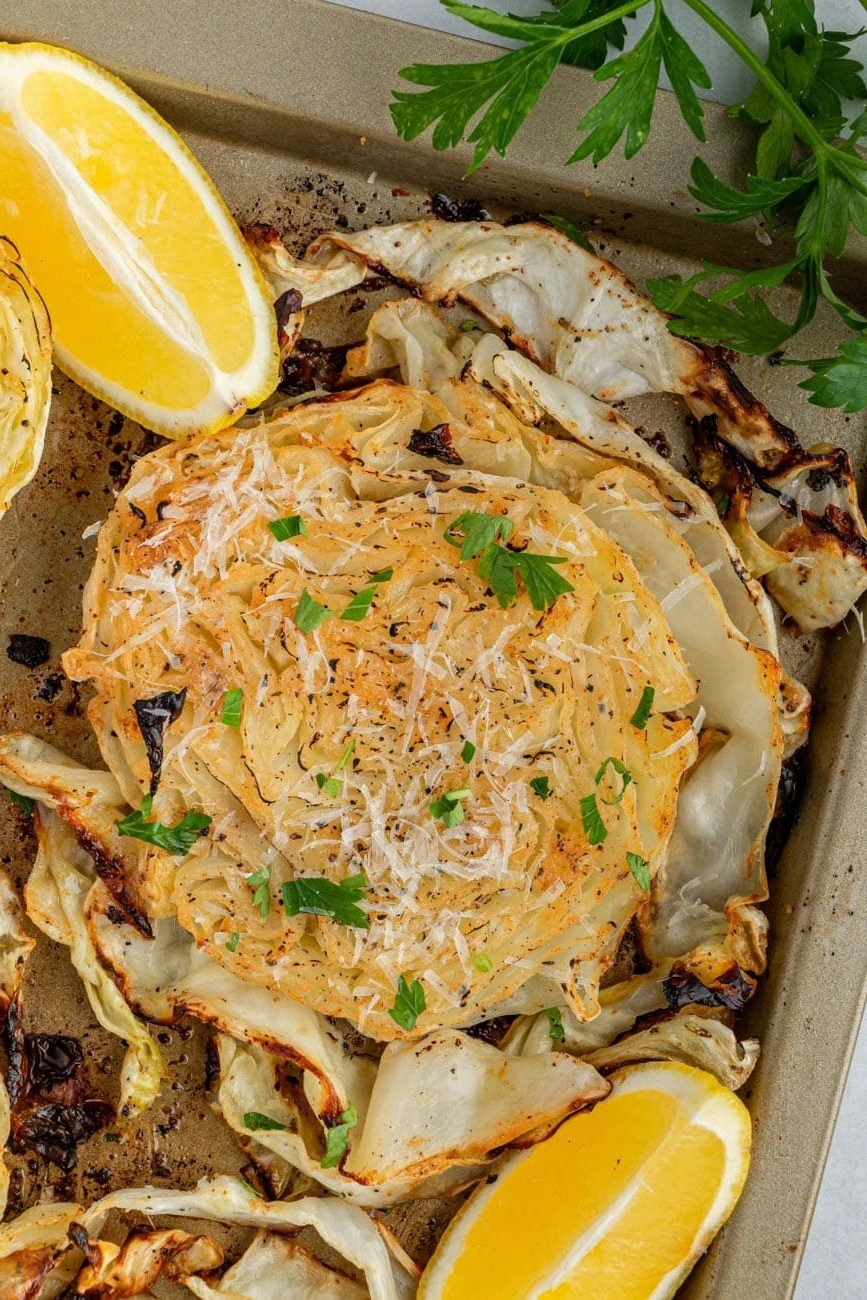
- Visual Appeal: The golden, caramelized crust transforms ordinary greens into a dish that looks as good as it tastes.
- Audience Reaction: Friends and family who are usually skeptical of cabbage will be left begging for seconds.
- Versatility: The base recipe can be adapted to suit vegetarian, vegan, or meat‑centric meals with ease.
Alright, let’s break down exactly what goes into this masterpiece…
Inside the Ingredient List
The Flavor Base
Olive oil cooking spray is the first layer of flavor. It coats the cabbage evenly, preventing sticking while allowing the spices to cling to every surface. If you skip the spray, the cabbage will cling to the pan and develop a burnt, bitter taste. A light mist is all you need; too much oil turns the dish greasy. For a healthier version, use a high‑smoke‑point oil like avocado or grapeseed. If you’re vegan, a spray made from plant‑based butter works great too.
The Texture Crew
The green cabbage head is the star. Choose a medium‑size head with tight, crisp leaves. A head that’s too old will be limp and bitter, while a fresh one will stay tender when roasted. If you can’t find a whole head, you can use pre‑cut wedges, but the whole head gives the best evenness. When cutting the steaks, aim for 2‑inch thick slices; this thickness holds up during roasting without falling apart.
The Unexpected Star
¼ cup of olive oil is the liquid gold that brings everything together. It melts the edges, creates a caramelized crust, and adds a subtle fruity note that balances the earthiness of the cabbage. If you prefer a richer flavor, swap in extra virgin olive oil or a drizzle of truffle oil for a decadent twist. A pinch of smoked paprika can add a smoky undertone that pairs beautifully with the roasted greens.
The Final Flourish
Garlic powder, onion powder, kosher salt, and ground black pepper are the seasoning quartet. Together, they create a savory, aromatic profile that makes the cabbage sing. If you’re sensitive to sodium, reduce the salt to ½ tsp or use a low‑sodium alternative. For a spicy kick, add a sprinkle of cayenne pepper or crushed red pepper flakes. These spices also help to draw out moisture, enhancing the crispness of the edges.
Everything’s prepped? Good. Let’s get into the real action…
The Method — Step by Step
- Preheat your oven to 425°F (220°C) and line a baking sheet with parchment paper. The high heat is essential for caramelizing the outer layer of the cabbage while keeping the inside tender. Place a rack on the middle shelf to allow air circulation and even cooking. This step ensures that no part of the cabbage gets soggy. The oven should be hot before the cabbage enters, so the first few minutes are critical for that golden crust.
- Wash the cabbage head under cold water, then pat it dry with a clean towel. Slice it into 2‑inch thick steaks, making sure each slice is uniform. The thickness determines how long each piece will roast—thicker slices need a bit longer. Use a sharp knife to avoid crushing the leaves, which can lead to uneven cooking. Keep the core intact; it holds the steak together during roasting.
- In a large bowl, combine ¼ cup olive oil, 1 tsp garlic powder, 1 tsp onion powder, 1 tsp kosher salt, and ¼ tsp ground black pepper. Whisk until the spices are evenly distributed. Drizzle the mixture over the cabbage steaks, ensuring each one is coated on both sides. The oil should coat the leaves lightly, creating a barrier that helps the spices adhere. This step is crucial for achieving a uniform flavor profile.
- Spray the baking sheet lightly with olive oil cooking spray. This extra coat keeps the cabbage from sticking and adds a subtle sheen. Place the seasoned cabbage steaks on the sheet, leaving a small gap between each piece. The space allows hot air to circulate, ensuring crisp edges. Avoid overcrowding; if the sheet is too full, the cabbage will steam instead of roast.
- Roast in the preheated oven for 20 minutes, flipping each steak halfway through. The first 10 minutes should show a slight browning on the bottom; the second half will develop a deeper golden crust. Watch for the edges—they should pull away from the parchment, indicating they’re crisping up. If you prefer a darker finish, add a few more minutes, but keep an eye on the texture to avoid burning.
- Remove the cabbage steaks from the oven and let them rest for 5 minutes. Resting allows the juices to redistribute, preventing a dry bite. During this time, the crust will firm up slightly, adding to the crunch. While resting, you can sprinkle a pinch of fresh cracked pepper or a splash of lemon juice for a bright finish. The rest period is also a good time to plate and garnish.
- Serve immediately, optionally with a side of creamy coleslaw or a drizzle of tahini sauce. The contrast between the warm, crispy cabbage and cool, tangy accompaniments elevates the dish. If you’re feeding a crowd, keep the roasted steaks warm in a low oven (200°F) while you finish plating. This keeps the edges crisp without overcooking the inside.
- Enjoy the moment of truth—each bite should burst with caramelized flavor and a satisfying crunch that shatters like thin ice. The combination of savory spices, buttery oil, and tender cabbage creates a harmony that’s both comforting and exciting. If you’re a culinary enthusiast, experiment with adding fresh herbs like thyme or rosemary for an extra layer of aroma. Remember, the key to perfection lies in the balance of heat, seasoning, and timing.
That’s it—you did it. But hold on, I’ve got a few more tricks that will take this to another level…
Insider Tricks for Flawless Results
The Temperature Rule Nobody Follows
Many people roast vegetables at 375°F, which is too low for a crisp edge. The magic number is 425°F; the high heat caramelizes the sugars faster, creating that coveted golden crust. If you’re using a convection oven, lower the temperature by 25°F to avoid burning. Keep the rack in the middle of the oven for even heat distribution. This rule is a game‑changer for anyone looking to elevate a simple side dish.
Why Your Nose Knows Best
The aroma of roasting cabbage is a reliable indicator of doneness. When the scent turns sweet and slightly nutty, the cabbage is ready. If you’re unsure, use a timer, but trust your nose; it’s the most accurate guide. The smell is a cue that the sugars are caramelizing, and the texture is locking in. This sensory checkpoint ensures you never overcook or underseason.
The 5‑Minute Rest That Changes Everything
Resting the steaks for five minutes after roasting is not just a courtesy—it allows the interior to set, keeping the edges crisp. The residual heat continues to cook the inside slightly, preventing a raw center. During this period, the spices settle into the cabbage, deepening the flavor. Skipping this step results in a less cohesive taste and texture. A quick rest is the secret to a restaurant‑quality finish.
Use a Baking Sheet with a Rack
Placing a wire rack on top of the baking sheet lets hot air circulate around the cabbage, ensuring even roasting. It also prevents the bottom from becoming soggy. If you don’t have a rack, simply flip the steaks frequently to mimic the effect. The result is a crisp exterior and a tender interior that stands out from the usual one‑sided roast.
Finish with a Splash of Lemon Juice
A squeeze of fresh lemon juice right before serving adds brightness that cuts through the richness. It also balances the saltiness of the spices. If you’re serving a crowd, keep a small bowl of lemon wedges on the table for guests to add as they wish. The citrus note elevates the dish from simple to sensational.
Creative Twists and Variations
This recipe is a playground. Here are some of my favorite ways to switch things up:
Spicy Sriracha Glaze
Swap half of the olive oil for a drizzle of sriracha. The heat pairs perfectly with the mild cabbage. Finish with a sprinkle of sesame seeds for crunch. This version is ideal for those who love a kick in their veggies.
Smoky Chipotle Rub
Replace garlic powder with chipotle powder for a smoky depth. Add a pinch of cumin for earthiness. This twist turns the dish into a Southwest‑inspired side.
Herb‑Infused Roasted Cabbage
Incorporate fresh thyme, rosemary, or basil into the oil mixture. The herbs infuse the cabbage with aromatic flavors. Serve with a lemon‑yogurt sauce for a Mediterranean vibe.
Vegan Butter Finish
After roasting, drizzle a small amount of vegan butter or ghee over the steaks. The rich flavor complements the crisp edges. This variation is perfect for a plant‑based feast.
Cabbage & Mushroom Medley
Add sliced mushrooms to the baking sheet during the last 10 minutes of roasting. The mushrooms soak up the spices and add umami. This combo works wonderfully with grilled steak or tofu.
Citrus‑Zest Finale
Grate a small amount of orange zest over the finished steaks. The citrus brightness lifts the dish. Pair with a light vinaigrette for a refreshing side.
Storing and Bringing It Back to Life
Fridge Storage
Cool the roasted steaks to room temperature, then place them in an airtight container. Store in the fridge for up to 4 days. When ready to eat, reheat in a skillet over medium heat until warmed through. The edges will stay crisp if you add a splash of water and cover for a minute.
Freezer Friendly
Wrap each steak individually in parchment paper before placing them in a freezer bag. Freeze for up to 2 months. Thaw overnight in the fridge or use the defrost setting on your microwave. Reheat in a skillet or oven to restore the original texture.
Best Reheating Method
The key to reheating is moisture control. Add a tiny splash of water to the skillet, cover, and let steam for 2 minutes. Then remove the cover to crisp the edges. Avoid microwaving; it turns the cabbage soggy and loses the caramelized flavor.